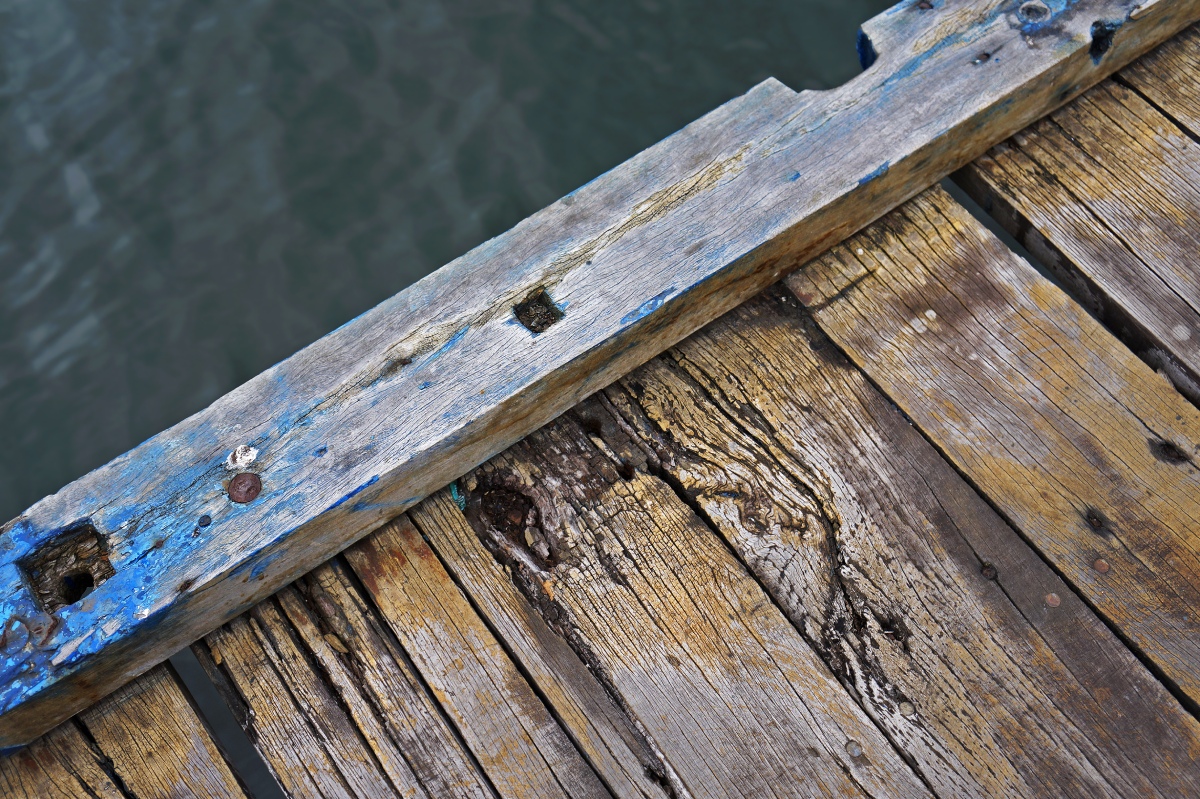
Signs Your Waterfront Structure Needs Structural Attention
The right answer between dock repair and replacement depends on what a professional evaluation actually finds beneath the surface: isolated damage to specific components, or deterioration that has spread through the framing and connections below. Surface wear is visible and often misleading. What drives the real decision is whether the structure underneath still has the integrity to justify targeted repairs, or whether the damage has compounded to the point where replacement is the more honest answer. This article walks through the signals, the decision framework, and the material options worth considering either way.
Every dock takes a beating over time. Sun, saltwater, wind, and tidal movement all work against the materials and connections that hold the structure together. Most property owners notice something is off before they can name the problem: a board that flexes too much underfoot, a piling that has shifted from where it used to stand, a fastener that has gone from tight to visibly corroded. These aren’t just cosmetic concerns. They’re the early signals that a professional evaluation is worth scheduling before something minor turns into something expensive.
On residential dock construction, visible wear usually shows up at the surface first. Older wood planks absorb moisture over years of use and eventually soften, splinter, or pull away from their supports. Commercial dock construction tends to show stress at connection points, where heavier foot traffic and regular vessel contact put more load on the framing than a typical residential structure ever sees. What matters is whether the damage is contained to one area or whether it’s telling you something about the health of the structure beneath the surface.
A professional marine construction evaluation goes past what you can see from the dock itself. It looks at framing members, support connections, and the stability of the shoreline anchoring the whole structure in place. Catching problems early gives property owners real options rather than forcing a rushed decision after something has already failed.
Repair vs. Replacement: Quick Decision Guide
| Condition | Likely Recommendation | Key Consideration |
| Surface damage, sound framing | Deck replacement | Inspect joists and connections first |
| Isolated piling failure | Targeted repair | Check adjacent pilings for similar wear |
| Multiple systems failing | Full replacement | Repairs stacking up cost more long-term |
| Aging wood, sound structure | Material upgrade assessment | Wood-free systems eliminate recurring cost |
| Storm damage, widespread | Professional evaluation required | Hidden damage often exceeds visible damage |
Evaluating Cost, Safety, and Long-Term Value
This is the question most waterfront property owners wrestle with once they’ve had a professional look at their dock. Repair feels like the more conservative choice, and in many cases it genuinely is the right one. When the underlying framing is still sound and the damage is isolated to the surface, dock decking replacement can bring the structure back to safe, functional condition without the time or expense of starting over. The situation changes when repairs start stacking up. Replacing a board here and fixing a connection there, then addressing another problem a season later, can quietly add up to more than a full replacement would have cost, and you still end up with an aging structure underneath.
Safety has to come first in any dock and pier construction decision. A dock that feels slightly unstable underfoot isn’t just inconvenient. It’s a genuine hazard for everyone who uses it, whether that’s family, guests, or customers at a commercial waterfront. A qualified dock builder looks at load capacity, how well the fastening system is holding, and whether the pilings are still providing the structural support the whole platform depends on. Those findings drive the recommendation, not a preference for one outcome over another.
The long-term value question is worth taking seriously. When the cost of doing repairs right starts to approach what a new dock construction project would run, it’s reasonable to ask what you’re actually buying with that repair money. A new structure built with modern marine construction methods is going to outperform an older dock that’s been patched back together, and it’ll typically require far less attention over the years that follow.
When Upgrading to Wood-Free Systems Makes Sense
One thing that comes up regularly when property owners sit down to talk through a repair or replacement is the question of materials. If the dock is already coming apart, it’s a natural moment to ask whether the same materials that failed should be used again, or whether something better is available. For a lot of waterfront homeowners along the Gulf Coast, that conversation leads to a serious look at wood-free dock systems. Once they understand what those systems actually offer, going back to traditional lumber becomes a hard sell. Rot, splintering, and the constant cycle of sealing and treating aren’t just inconveniences. They’re ongoing costs in both time and money that composite dock construction simply doesn’t come with.
Aluminum dock construction brings a framing system that handles the coastal environment in a way wood never really could. It doesn’t corrode the way steel does, it doesn’t absorb moisture, and it doesn’t require the kind of upkeep that wood framing demands year after year. When you combine that with composite dock decking and the advanced marine decking systems available today, you end up with a structure that is genuinely low-maintenance in the truest sense of the phrase, not just marketed that way.
Every situation is a little different. The age of the structure matters. How far the deterioration has gone matters. What you want the property to look like and how you plan to use it in the years ahead matters too. The most useful thing a waterfront property owner can do when facing this decision is sit down with a marine construction professional who has seen all of these scenarios before. A thorough evaluation gives you an honest picture of where things stand and what each path forward actually involves.
Frequently Asked Questions
1. How can I tell if dock pilings are failing?
Pilings that have started to lean noticeably, visible cracking near or at the waterline, and any sense of movement or give when the dock is in use under normal conditions are all worth paying attention to. These signs don’t always mean a piling has failed completely, but they do mean a closer look is warranted. A professional inspection will tell you whether structural integrity is still there or whether the support needs to be addressed before it becomes a safety concern.
2. Is replacing decking enough to extend a dock’s life?
It depends entirely on what’s going on beneath the surface. New decking can absolutely restore a safe and comfortable walking surface when the framing underneath is still structurally sound. But decking replacement doesn’t touch hidden damage in the joists, beams, or connections that you can’t see from above. A full assessment is the only way to know whether the components below are holding up well enough for new decking to make sense as a standalone solution.
3. Does insurance cover dock replacement after storm damage?
Coverage varies quite a bit depending on your policy specifics and the cause of the damage. Some policies cover marine structures under certain conditions while others exclude them or apply specific limitations. The best step is to pull out your policy documents, read through the relevant sections, and follow up directly with your insurance provider to get a straight answer about what your situation qualifies for.
4. How long does a dock replacement project typically take?
Timelines are shaped by design complexity, how long permitting takes in your county, and what site conditions the crew encounters once work begins. Many projects move along quite smoothly once materials have been ordered and necessary approvals are in hand. Your contractor should be able to give you a realistic timeline estimate once those pieces of the picture are clear.
5. Will upgrading materials increase property value?
A well-built dock with modern, low-maintenance materials tends to be a genuine selling point for waterfront properties. Buyers who understand coastal living know what ongoing upkeep looks like, and a structure that requires minimal attention is appealing in a real and tangible way. Beyond resale, the more immediate benefit is usually the reduction in what you spend on maintenance and repairs year after year while you’re still enjoying the property.