When you’re planning a dock, pier, or boathouse along Florida’s Gulf Coast, one of the biggest decisions involves choosing between aluminum and steel for your structural components. Both materials have earned their place in marine construction, but they perform very differently in our saltwater environment. At HMP Marine, we’ve worked extensively with both materials throughout Pensacola and the surrounding coastal areas, and understanding their distinct characteristics can save you both money and headaches down the road.
Corrosion resistance, longevity, and cost analysis for Gulf Coast projects
The Gulf Coast presents unique challenges that standard materials weren’t designed to handle. Between the salt spray drifting in from the water, humidity that never seems to quit, and structures sitting in direct contact with waves and tides, corrosion doesn’t waste any time getting started. Here’s where marine-grade aluminum shows one of its best tricks: the moment it touches the air, it develops a thin oxide coating across its surface. That protective layer acts like a barrier keeping saltwater away from the metal underneath. The most common marine aluminum alloys—5052, 5083, and 5086—include magnesium that strengthens this protective quality even further.
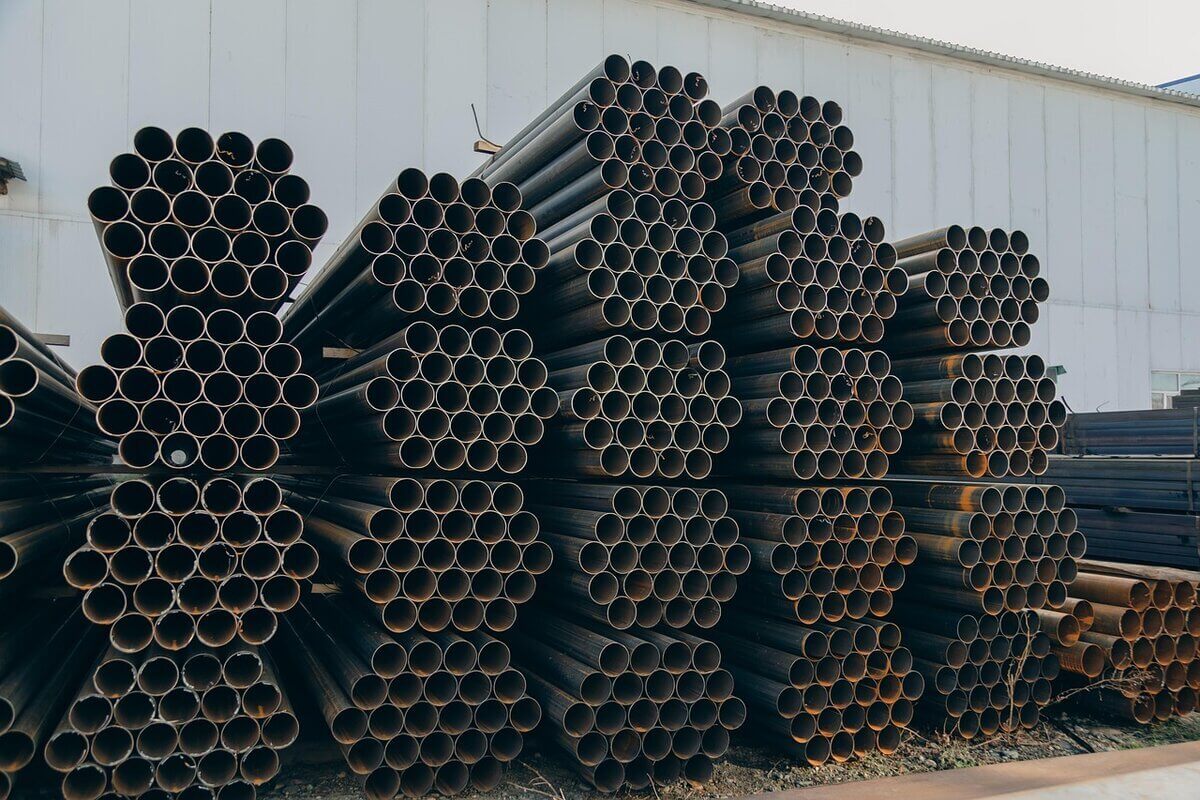
Steel tells a different story. Standard carbon steel will rust quickly in coastal conditions, often showing corrosion within just a few years despite protective coatings. Marine-grade stainless steel, specifically 316-grade with its added molybdenum and nickel content, stands up much better to saltwater. This steel grade resists corrosion effectively and provides exceptional strength but comes with a premium price tag that typically exceeds aluminum by a significant margin.
The numbers tell an interesting story about how these materials age in saltwater. Regular aluminum loses about a tenth to two-tenths of a millimeter each year when exposed to seawater. Marine-grade versions like the 5083 alloy? They’re much tougher—you’re looking at closer to two-hundredths or three-hundredths of a millimeter lost annually. Grade 316 stainless steel holds up even better than that, though the trade-off comes in the form of significantly higher material costs right from the start.
Weight considerations and structural applications
Aluminum weighs approximately one-third as much as steel—about 2.7 grams per cubic centimeter compared to steel’s 7.85. This dramatic difference affects every aspect of your project. Lighter structures mean reduced load on pilings and foundations, which can translate to using fewer support posts or less robust foundation work.
For floating docks and gangways, aluminum’s lightweight nature makes installation considerably easier. A three-person crew can typically handle aluminum components that would require heavy equipment if built from steel. This lighter weight also means your dock responds better to changing water levels without putting excessive stress on connection points.
Steel’s greater weight offers advantages when you need serious structural strength for heavy commercial use or large boat lifts. Steel handles tremendous loads without flexing, making it ideal for marina applications where multiple large vessels will dock simultaneously.
Maintenance requirements and lifecycle expenses
Initial material costs tell only part of the story. Marine-grade aluminum typically costs two to five times as much per pound as steel. However, those higher upfront costs need weighing against long-term maintenance expenses. Aluminum requires minimal ongoing care beyond periodic cleaning. You won’t need to repaint most aluminum structures except below the waterline or where fittings mount to the surface.
Steel demands more attention. Even marine-grade stainless steel needs regular cleaning to prevent surface staining in harsh saltwater environments. Standard steel requires protective coatings reapplied every few years to prevent rust. These maintenance cycles add up quickly. Studies show that aluminum’s maintenance savings can offset its higher initial price within three to five years in marine applications.
Aluminum marine structures also typically maintain higher resale values than comparable steel installations, reflecting their durability, lower maintenance needs, and continued good appearance over time.
Making the right choice for your marine project
Neither material emerges as the universal winner, but the right choice depends on your specific application. For residential docks, piers, and smaller boathouses along the Gulf Coast, aluminum offers an excellent balance of corrosion resistance, manageable weight, and reasonable lifecycle costs. Its ability to withstand our saltwater environment with minimal maintenance makes it particularly attractive for homeowners.
Steel becomes the better option when projects demand maximum structural strength, for very large commercial installations, or when budget constraints make aluminum’s higher initial costs prohibitive. Many successful projects incorporate both materials, using steel for heavy structural supports while employing aluminum for exposed components and decking.
At HMP Marine, we help Gulf Coast property owners navigate these choices based on their specific needs, site conditions, and long-term goals. Selecting the right materials from the start ensures your investment performs well for decades to come.
Aluminum vs. Steel in Marine Construction: A Comprehensive Comparison
When you’re planning a dock, pier, or boathouse along Florida’s Gulf Coast, one of the biggest decisions involves choosing between aluminum and steel for your structural components. Both materials have earned their place in marine construction, but they perform very differently in our saltwater environment. At HMP Marine, we’ve worked extensively with both materials throughout Pensacola and the surrounding coastal areas, and understanding their distinct characteristics can save you both money and headaches down the road.
Corrosion resistance, longevity, and cost analysis for Gulf Coast projects
The Gulf Coast presents unique challenges that standard materials weren’t designed to handle. Between the salt spray drifting in from the water, humidity that never seems to quit, and structures sitting in direct contact with waves and tides, corrosion doesn’t waste any time getting started. Here’s where marine-grade aluminum shows one of its best tricks: the moment it touches the air, it develops a thin oxide coating across its surface. That protective layer acts like a barrier keeping saltwater away from the metal underneath. The most common marine aluminum alloys—5052, 5083, and 5086—include magnesium that strengthens this protective quality even further.
Steel tells a different story. Standard carbon steel will rust quickly in coastal conditions, often showing corrosion within just a few years despite protective coatings. Marine-grade stainless steel, specifically 316-grade with its added molybdenum and nickel content, stands up much better to saltwater. This steel grade resists corrosion effectively and provides exceptional strength but comes with a premium price tag that typically exceeds aluminum by a significant margin.
The numbers tell an interesting story about how these materials age in saltwater. Regular aluminum loses about a tenth to two-tenths of a millimeter each year when exposed to seawater. Marine-grade versions like the 5083 alloy? They’re much tougher—you’re looking at closer to two-hundredths or three-hundredths of a millimeter lost annually. Grade 316 stainless steel holds up even better than that, though the trade-off comes in the form of significantly higher material costs right from the start.
Weight considerations and structural applications
Aluminum weighs approximately one-third as much as steel—about 2.7 grams per cubic centimeter compared to steel’s 7.85. This dramatic difference affects every aspect of your project. Lighter structures mean reduced load on pilings and foundations, which can translate to using fewer support posts or less robust foundation work.
For floating docks and gangways, aluminum’s lightweight nature makes installation considerably easier. A three-person crew can typically handle aluminum components that would require heavy equipment if built from steel. This lighter weight also means your dock responds better to changing water levels without putting excessive stress on connection points.
Steel’s greater weight offers advantages when you need serious structural strength for heavy commercial use or large boat lifts. Steel handles tremendous loads without flexing, making it ideal for marina applications where multiple large vessels will dock simultaneously.
Maintenance requirements and lifecycle expenses
Initial material costs tell only part of the story. Marine-grade aluminum typically costs two to five times as much per pound as steel. However, those higher upfront costs need weighing against long-term maintenance expenses. Aluminum requires minimal ongoing care beyond periodic cleaning. You won’t need to repaint most aluminum structures except below the waterline or where fittings mount to the surface.
Steel demands more attention. Even marine-grade stainless steel needs regular cleaning to prevent surface staining in harsh saltwater environments. Standard steel requires protective coatings reapplied every few years to prevent rust. These maintenance cycles add up quickly. Studies show that aluminum’s maintenance savings can offset its higher initial price within three to five years in marine applications.
Aluminum marine structures also typically maintain higher resale values than comparable steel installations, reflecting their durability, lower maintenance needs, and continued good appearance over time.
Making the right choice for your marine project
Neither material emerges as the universal winner, but the right choice depends on your specific application. For residential docks, piers, and smaller boathouses along the Gulf Coast, aluminum offers an excellent balance of corrosion resistance, manageable weight, and reasonable lifecycle costs. Its ability to withstand our saltwater environment with minimal maintenance makes it particularly attractive for homeowners.
Steel becomes the better option when projects demand maximum structural strength, for very large commercial installations, or when budget constraints make aluminum’s higher initial costs prohibitive. Many successful projects incorporate both materials, using steel for heavy structural supports while employing aluminum for exposed components and decking.
At HMP Marine, we help Gulf Coast property owners navigate these choices based on their specific needs, site conditions, and long-term goals. Selecting the right materials from the start ensures your investment performs well for decades to come.